
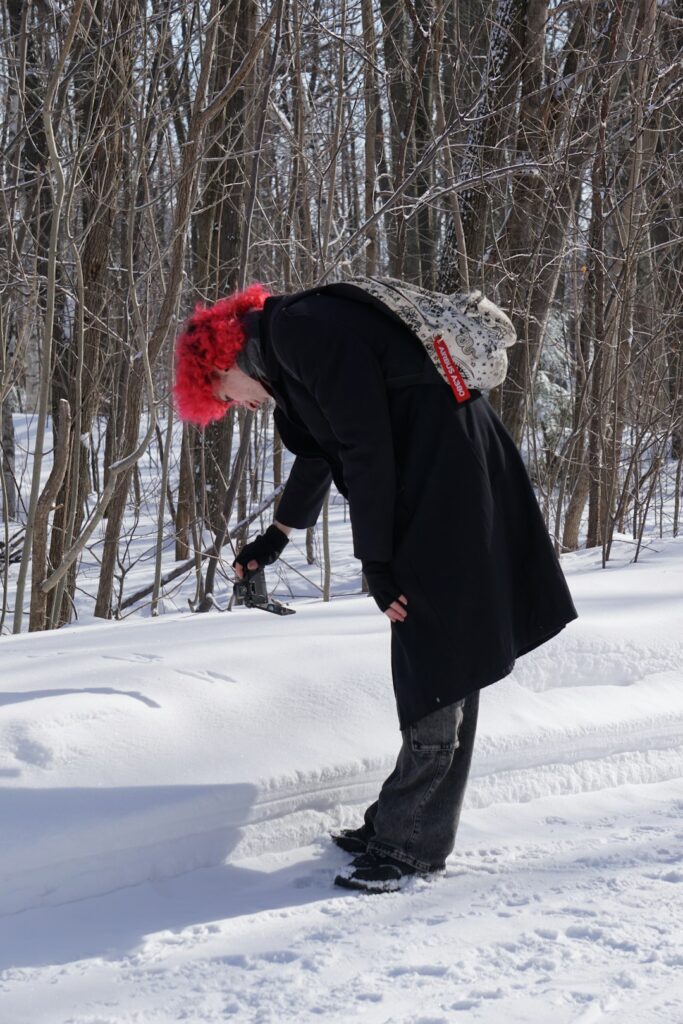
Minor aches and pains are easy to dismiss, especially after yardwork, snow removal, a long drive, or a busy day on your feet. Many improve with simple self-care, but recurring or gradually worsening discomfort can also signal a movement problem, an injury that has not healed, or a medical issue that deserves attention.
Is a minor ache really worth paying attention to?
Usually, the severity of pain is only one part of the picture. A mild ache that disappears within a day or two after an unusual activity may not be concerning. Pain that keeps returning, changes how you move, or slowly becomes more limiting deserves a closer look.
Pain is the body’s warning system. It may reflect irritated muscles, stiff joints, strained ligaments, poor movement mechanics, nerve irritation, or inflammation. Ignoring the signal does not always cause damage, but repeatedly working through it can allow an easily manageable problem to become more persistent.
Examples include:
- A shoulder ache that begins after lifting and becomes painful when reaching overhead
- Low back soreness that returns after shoveling or prolonged sitting
- Hip or knee discomfort that changes the way a person walks
- Neck stiffness accompanied by headaches after long periods at a computer
- Tingling, numbness, or weakness associated with an otherwise mild ache
The pattern matters as much as the pain level.
Why can small problems become bigger problems?
People often compensate for discomfort without realizing it. A person with a sore knee may shift weight to the other leg. Someone with back pain may twist differently when getting out of a chair. A stiff neck may lead to more movement through the shoulders or upper back.
These adjustments can place extra stress on other areas. Over time, the original problem may be joined by muscle tightness, reduced flexibility, altered balance, or soreness in a different part of the body.
This does not mean every ache will progress. It means persistent symptoms should not be judged only by whether they are tolerable. Being able to “push through” pain is not the same as being fully recovered.
Which minor aches are common in the local community?
Seasonal routines can influence everyday discomfort. In colder months, snow shoveling, carrying winter equipment, walking on slippery surfaces, and spending more time indoors can challenge the back, shoulders, hips, and knees. A sudden return to outdoor projects in spring may also strain muscles that have not been used regularly.
Household tasks can contribute as well. Moving boxes in older homes, climbing stairs while carrying items, working in cramped spaces, or sitting for long periods during winter travel may create repeated stress. These activities are not inherently harmful, but problems often arise when a person uses awkward positions, lifts too quickly, or continues despite increasing symptoms.
Aches related to a clear activity should generally begin improving with reasonable rest, gentle movement, and a gradual return to normal use. Lack of improvement is useful information.
When should someone seek an evaluation?
Consider arranging a health evaluation when pain:
- Lasts longer than expected or is not gradually improving
- Returns each time a particular activity is performed
- Interferes with sleep, work, exercise, driving, or household tasks
- Causes limping, guarded movement, or reduced range of motion
- Is accompanied by numbness, tingling, weakness, or unusual sensitivity
- Follows a fall, collision, lifting injury, or other significant event
- Occurs with unexplained fatigue, fever, swelling, or weight loss
- Becomes more frequent, more intense, or present at rest
A chiropractor may assess how the spine and joints are moving, how surrounding muscles are functioning, and whether a complaint appears appropriate for conservative care. However, not every source of pain is a chiropractic problem. Symptoms may require evaluation by a primary care clinician, orthopedic specialist, neurologist, or another medical professional depending on the pattern and associated signs.
A careful assessment should include attention to the whole symptom picture rather than focusing only on the location of pain.
What can be tried safely at home?
For a mild ache without warning signs, short-term self-care may help:
- Keep moving gently rather than staying in bed for long periods.
- Reduce the activity that clearly aggravates the pain, but avoid complete inactivity.
- Use a cold pack after a recent strain if swelling or irritation is present. Protect the skin and limit exposure.
- Use gentle warmth for muscle stiffness if it feels soothing.
- Break up long periods of sitting with brief walks or position changes.
- Return to lifting, exercise, shoveling, or yardwork gradually.
- Pay attention to footwear, sleep position, work posture, and how objects are carried.
- Follow medication labels carefully and ask a pharmacist or clinician about safety if there are medical conditions or other medicines involved.

Pain should not be forced during stretching or exercise. Mild effort may be acceptable, but sharp, spreading, or progressively worsening symptoms are reasons to stop and reassess.
What symptoms require urgent medical attention?
Some pain should not be managed as a routine muscle or joint complaint. Seek urgent medical help for sudden severe pain, pain after major trauma, chest pain, difficulty breathing, fainting, or severe abdominal symptoms.
Back pain requires prompt attention when it occurs with new loss of bladder or bowel control, numbness around the inner thighs or groin, or significant weakness in one or both legs. Fever, feeling very ill, unexplained weight loss, a history of cancer, or rapidly worsening pain also changes the level of concern.
New neurological symptoms—such as progressive weakness, widespread numbness, trouble walking, confusion, or sudden difficulty speaking—should be treated as urgent. If symptoms are severe or life-threatening, use emergency services rather than attempting to drive.
How can residents track whether an ache is improving?
A simple symptom record can reveal whether a problem is resolving or repeating. Note:
- When the pain began
- What activity preceded it
- Where it is located and whether it spreads
- What makes it better or worse
- Whether movement, sleep, strength, or sensation has changed
- How often it occurs and how long each episode lasts
For example, “back pain after shoveling” is less informative than “aching across the lower back after 20 minutes of shoveling, returning three times in two weeks and causing difficulty standing upright.” Specific details help a healthcare professional identify patterns and decide whether further examination is needed.
Minor pain does not automatically mean serious disease, and seeking guidance does not mean assuming the worst. The practical goal is to recognize changes early, protect normal movement, and avoid allowing a small, recurring problem to quietly limit daily life.
