
What Is Scoliosis and How Does It Affect Daily Life?
Scoliosis is a condition characterized by an abnormal sideways curvature of the spine. For many people living in Lockport, NY, the issue presents subtly: a mild curve noticed during a back-to-school screening, or perhaps a persistent ache after shoveling snow or doing yard work. While some cases are mild, more pronounced curves can lead to discomfort, mobility challenges, and, in rare circumstances, issues with lung function.
Daily experiences may include:
- Uneven shoulders or hips
- Difficulty standing for long periods, especially during local events or outdoor chores
- Muscle tightness or back fatigue after physical activity
Understanding how scoliosis might impact work, recreation, and routines in the community is often the first step residents take when seeking information about non-surgical support options.
What Does Research Say About Chiropractic Care for Scoliosis?
Current research shows that while chiropractic care does not cure scoliosis or directly straighten the spine, certain techniques may provide relief from related symptoms. Area residents often ask whether spinal adjustments, postural exercises, or manual therapy can help. Studies tend to agree that chiropractic can sometimes help manage discomfort, increase mobility, and support overall function for some individuals living with scoliosis, especially when used alongside medical monitoring.
However, expectations should be realistic. No evidence suggests that chiropractic care alone can halt curve progression in moderate to severe scoliosis in children or teens. For adults dealing with mild to moderate curves, some report improvements in stiffness and movement, but benefits are highly individual.
What Are Practical Chiropractic Approaches for Scoliosis Symptoms?
Chiropractors may use several approaches aimed at reducing symptoms rather than correcting the curve itself. For residents in the city who experience back tension or stiffness, typical in colder months or after household projects, these approaches may include:
- Gentle spinal adjustments focused on restoring joint mobility around the curve
- Targeted stretching and strengthening exercises to support nearby muscle groups
- Soft tissue therapy to reduce tightness along the back and flanks
Care is adapted based on each person's age, curve severity, and response to previous therapies. Any reputable chiropractor in the area will coordinate care with an orthopedic doctor when signs point to rapidly changing curves or if significant neurological symptoms appear.
What Should Residents Consider Before Seeking Chiropractic for Scoliosis?
Scoliosis can be complex, and not every resident will benefit in the same way from chiropractic intervention. Consider these points:
- For any child or teen with a newly diagnosed or worsening curve, regular follow-ups with a specialist remain necessary
- Adults with stabilized, mild scoliosis and related muscle strains may safely explore chiropractic care with realistic expectations
- If sharp pain, pronounced weakness, or rapid curve changes develop, medical evaluation is a priority
Community members sometimes believe that all back pain from scoliosis is equal, but the underlying causes and ideal supports can differ greatly depending on age and curve type.
Are There Risks or Limitations to Chiropractic Methods?
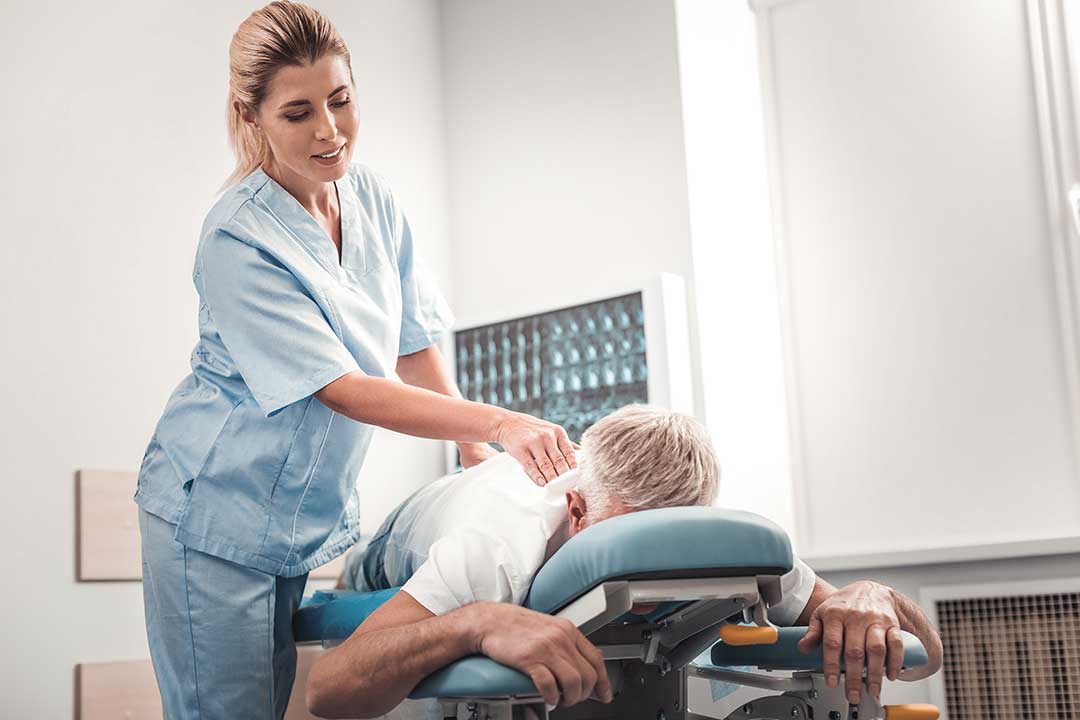
Chiropractic methods are generally safe for individuals with stable, mild-to-moderate scoliosis when performed by appropriately licensed practitioners. However, adjustments in severely rotated or unstable spines can carry added risk. Rare complications include increased pain or, very infrequently, nerve irritation. Open communication with all involved health providers reduces risks.
In Lockport, physicians and chiropractors are used to frequent collaboration, especially when complex cases require both symptom management and medical oversight. Responsible providers always refer for specialist evaluation when signs call for further investigation.
How Do Residents Know if This Approach Fits Their Needs?
No universal answer exists for everyone; much depends on a person’s unique curve, age, health status, and goals. Residents often consider chiropractic intervention for scoliosis-related muscle pain, stiffness, or as a complementary measure during other treatments.
Common reasons locals consider chiropractic care:
- Seeking non-drug strategies for back discomfort
- Interest in gentle, exercise-based approaches under professional guidance
- Recommendations from friends or family with similar experiences
Some residents with advanced curves, respiratory symptoms, or neurological changes may find other forms of therapy more suitable or necessary.
What Other Self-Management Strategies Might Help Locally?
Besides professional care, many in the area use these strategies for everyday scoliosis support:
- Staying active year-round — from winter walks to summer gardening — using proper body mechanics to limit strain
- Using local community resources, such as senior centers or wellness programs, for guided exercise
- Paying attention to posture, especially when working from home or sitting for long stretches
A combination of gentle movement, periodic check-ins with primary doctors, and shared decision-making tends to result in the greatest satisfaction for residents managing scoliosis as part of daily life in Lockport. Individual needs and responses vary, so an open, ongoing conversation with all health providers is recommended to ensure approaches remain appropriate and helpful as conditions change.
