
Living in Lockport, NY, whether you're enjoying a day at the historic Erie Canal or shoveling snow from the driveway in winter, muscle pain is something many residents are all too familiar with. For many, this discomfort stems from trigger points—those mysterious, sensitive spots in your muscles that can send pain to surprising places. Understanding trigger points and how they relate to your aches and pains is key to unlocking long-lasting relief.
What Are Trigger Points?
Trigger points, often called “muscle knots,” are small, tight areas within muscle tissue that can cause pain both locally and in seemingly unrelated parts of the body. When pressure is applied to a trigger point, it can create a dull ache or sharp pain. Sometimes, the pain is referred, meaning it radiates away from the knot itself.
- Trigger points are often found in muscles that are overused, injured, or stressed.
- They can develop from repetitive motions (like snow shoveling or gardening in Lockport backyards) or poor posture during long workdays.
- Common locations include the neck, shoulders, back, and even the legs.
Why Trigger Points Cause So Much Pain
When a trigger point forms, the surrounding muscle fibers tighten up, restricting blood flow. The buildup of waste products and lack of oxygen in these fibers irritate the nerves, causing pain and soreness. This is why your neck might hurt after spending hours hunched over a desk or your lower back aches after a day of outdoor chores.
How Trigger Points Affect Daily Life in Lockport
From students at Lockport High School lugging heavy backpacks to those working at local manufacturing facilities or heading out for weekend hikes in Lockport Nature Trail, trigger points can touch nearly every aspect of life.
Residents often report:
- Stiffness after long commutes on Route 31 or Route 78.
- Shoulder pain after snow removal in our often-snowy winters.
- Low back discomfort after tending home gardens or lawn work in the spring and summer.
- Headaches seemingly unrelated to scalp or head injuries (often stemming from neck or upper back trigger points).
Understanding that muscle pain could be a result of trigger points is crucial because the pain isn’t always where the problem lies. For example, a trigger point in your neck could be responsible for that nagging headache, or that dull ache in your arm may actually be coming from your shoulder blade.
Most Common Questions About Trigger Points
What Do Trigger Points Feel Like?
Typically, trigger points feel like a small, tender lump beneath the skin. Pressing on them may cause a twitch or a feeling of pain radiating away from the spot.
How Do I Know If My Pain Is Caused by Trigger Points?
If you have persistent muscle pain, stiffness, or tingling that doesn’t resolve with rest, and if pressing specific spots makes the pain worse or travels to another area, trigger points are likely involved.
What Causes Trigger Points?
- Repetitive activities (factory work, sports, yardwork)
- Stress and sustained muscle tension from everyday activities or anxiety
- Poor posture—common in those who spend hours on computers or mobile devices
- Injury or trauma, such as a slip on icy Lockport sidewalks
Self-Care for Trigger Points
While professional care is sometimes necessary, many Lockport residents can find relief with self-care strategies:
- Stretching: Gentle daily stretches for the affected muscles can relieve tightness and restore normal function.
- Heat Therapy: Applying a warm compress or taking a hot shower can increase circulation and help loosen tight muscle fibers.
- Self-Massage: Using a tennis ball or foam roller to apply gentle pressure to sore spots can release trigger points over time.
- Stay Hydrated: Especially important if you're active outdoors or during our humid Lockport summers. Dehydration can contribute to muscle tension and trigger point formation.
How Chiropractic Care Addresses Trigger Points
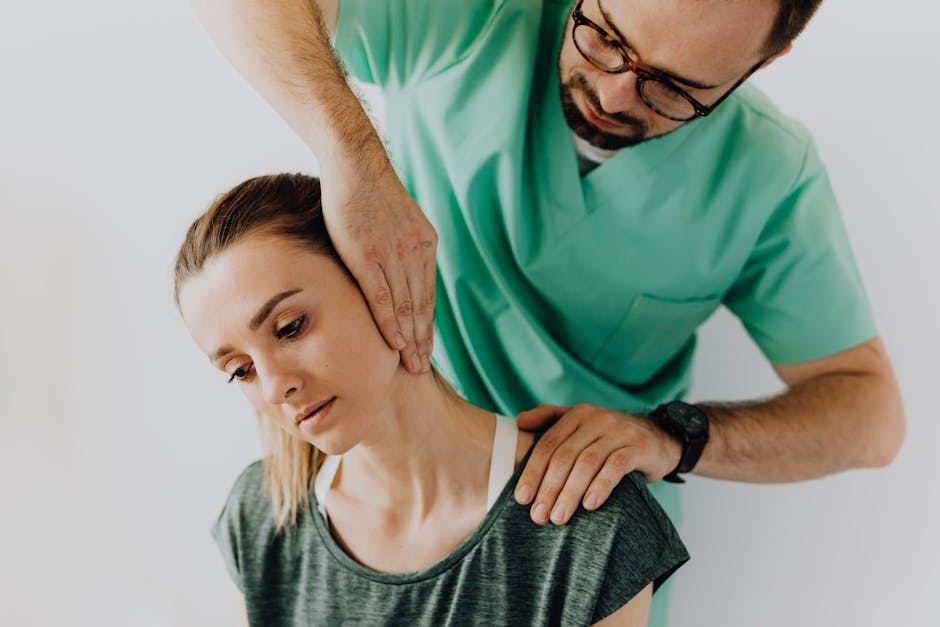
Chiropractors are trained to identify and treat trigger points, often using a combination of manual therapies such as:
- Trigger point therapy or myofascial release—focused pressure to release knots.
- Gentle chiropractic adjustments to correct postural issues contributing to pain.
- Guidance on stretches and exercises tailored to your local lifestyle, like safe lifting techniques for winter snow removal or ergonomics for desk jobs.
When Should You Seek Professional Help?
If muscle pain or stiffness does not improve with self-care, becomes severe, or begins to interfere with your daily life—from walking the Lockport Locks to getting a good night’s sleep—it may be time to consult a healthcare professional. Persistent muscle pain can indicate underlying issues that need a comprehensive assessment by a chiropractor or physician.
Preventing Trigger Points in Lockport’s Lifestyle
Remember, prevention is key. To minimize your risk:
- Ensure your work and living spaces are set up for good posture.
- Take regular breaks to stretch, especially during repetitive tasks.
- Warm up before shoveling, gardening, or strenuous outdoor activities.
- Mix up your routines to avoid overuse of the same muscle groups.
Lockport offers beautiful opportunities for outdoor activity and physical work, but these same joys and obligations can strain our muscles—making trigger point awareness essential. By understanding the role trigger points play in muscle pain, Lockport residents can make proactive choices for comfort and mobility, ensuring you stay active and engaged in the vibrant local community.
If you’re struggling with muscle pain, consider whether trigger points could be involved—and don’t hesitate to seek guidance to keep you moving strongly through every season in Lockport.
