
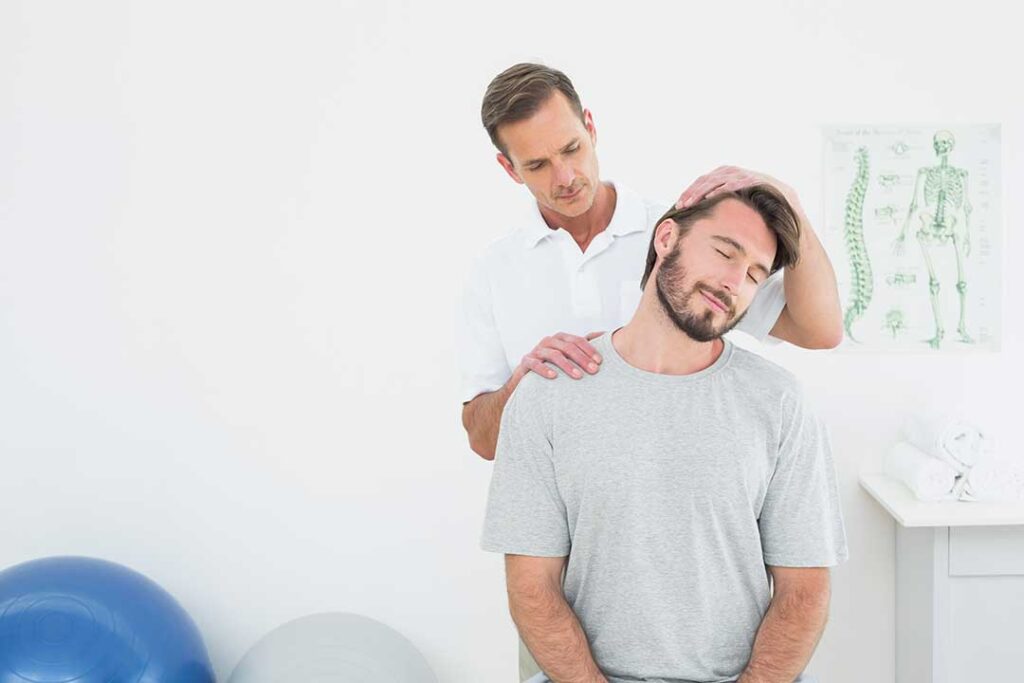
What does core strength have to do with spinal health?
For residents of Lockport, NY, core strength can make everyday movements—lifting, walking, climbing stairs, shoveling, and sitting—more controlled and less demanding on the spine. The core is not just the abdominal muscles. It includes the muscles of the abdomen, lower back, hips, pelvis, and diaphragm that work together to stabilize the trunk.
A strong core does not make the spine immune to injury, and it does not guarantee freedom from back pain. Its role is more practical: it helps the body transfer force, maintain balance, and control movement so that the spine is not carrying more load than necessary. Abdominal and back exercises can condition these muscle groups to work together more effectively. ([mayoclinic.org](https://www.mayoclinic.org/diseases-conditions/back-pain/symptoms-causes/syc-20369906?utm_source=openai))
Which muscles are part of the core?
The core is a coordinated system rather than a single muscle group. It includes:
- The abdominal muscles, including the deeper transversus abdominis
- The muscles along the spine
- The diaphragm, which assists with breathing and trunk pressure
- The pelvic floor muscles
- The muscles of the hips and pelvis, including the gluteal muscles
These muscles help keep the trunk steady while the arms and legs move. For example, carrying a laundry basket requires the spine and pelvis to remain controlled while the shoulders, arms, and legs produce movement. The same principle applies when reaching into a vehicle, lifting a box, or clearing snow.
Core strength also includes endurance and coordination. A person may be able to perform a few difficult abdominal exercises but still lack the endurance needed to maintain comfortable posture during a long work shift or a prolonged drive.
Can core exercises prevent back pain?
Core training may reduce strain and improve physical capacity, but it is not a complete prevention strategy. Back pain can result from many factors, including muscle strain, joint irritation, disc problems, reduced activity, poor sleep, stress, osteoporosis, or an underlying medical condition.
Regular movement, muscle strengthening, flexibility, and gradual conditioning are generally more useful than focusing on a single “perfect” exercise. Low-impact activities such as walking, cycling, or swimming can support general fitness while placing less jarring stress on the back. ([mayoclinic.org](https://www.mayoclinic.org/diseases-conditions/back-pain/symptoms-causes/syc-20369906?utm_source=openai))
A strong core may be especially helpful during seasonal tasks common in the region. Repeated bending, twisting, lifting, and pushing—such as moving outdoor equipment, handling wet leaves, or shoveling heavy snow—can challenge the back when the body is unprepared. Building strength throughout the year is safer than trying to compensate with an intense workout immediately before a demanding task.
What are beginner-friendly core exercises?
The safest starting point is usually controlled movement with steady breathing. Exercises should be performed slowly, without forcing the spine into a painful position.
Abdominal bracing
Lie on the back with the knees bent and feet resting on the floor. Gently tighten the abdominal muscles as if preparing for a light bump, while continuing to breathe normally. Hold for several breaths, then relax. This teaches trunk control without requiring large movements.
Bridge
From the same position, tighten the abdomen and buttocks, then slowly lift the hips until the body forms a comfortable line from the shoulders toward the knees. Lower with control. Bridges train the gluteal muscles and the muscles supporting the lower back. Mayo Clinic guidance recommends beginning with a small number of repetitions and gradually increasing as the movement becomes easier. ([mayoclinic.org](https://www.mayoclinic.org/healthy-lifestyle/adult-health/in-depth/back-pain/art-20546859?utm_source=openai))
Bird dog
Begin on the hands and knees. Keeping the spine steady, slowly extend one leg behind the body. If balance allows, add the opposite arm. Return to the starting position and switch sides. The goal is control, not height or speed.
Side plank modification
Start on the side with the knees bent and the elbow beneath the shoulder. Lift the hips a small distance from the floor while keeping the trunk aligned. This can be shortened or performed with the top hand supporting the floor if needed.
Walking
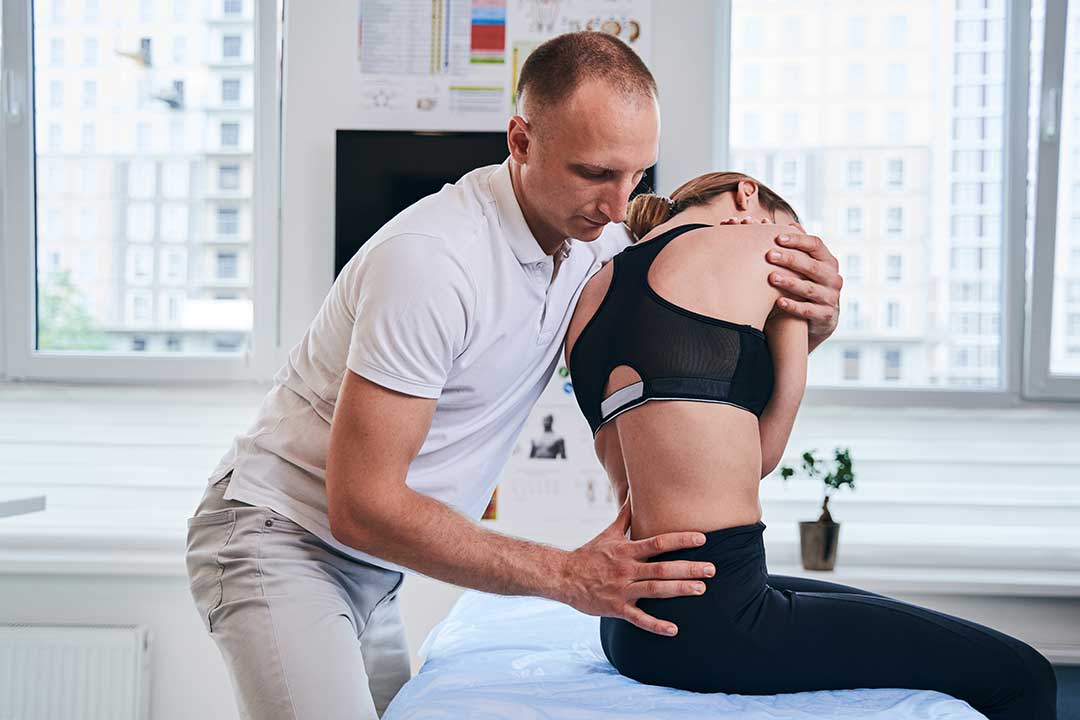
Walking is not usually described as a core exercise, but it challenges the trunk to stabilize with every step. It can be a useful complement to strengthening, especially for people who are returning to activity after a period of inactivity.
How often should someone train the core?
Consistency matters more than exhausting workouts. Many people can begin with short sessions two or three times per week, using one set of several basic exercises and gradually increasing repetitions or hold times. Core exercises should be combined with general movement and strength work for the legs, hips, upper back, and shoulders.
A useful progression is:
- First, learn the movement with good breathing and alignment.
- Next, increase repetitions or hold time slightly.
- Then, add resistance or a more challenging variation only when the easier version is controlled.
- Maintain regular walking or other comfortable aerobic activity.
Soreness in working muscles can occur after a new routine. Sharp pain, spreading pain, numbness, or a noticeable worsening of symptoms is a reason to stop and reassess the exercise.
Does a strong core improve posture?
Core strength can support posture, but posture is not a fixed position that must be maintained all day. Healthy movement includes changing positions regularly. Sitting upright for hours without moving can still make the back uncomfortable, even if the abdominal muscles are strong.
For people working at home or spending long periods in a vehicle, alternating sitting with brief walks, standing, or gentle movement may be more helpful than trying to hold a rigid posture. A chair, desk, or mattress can influence comfort, but no setup eliminates the need for movement.
What should someone do if core exercises worsen back pain?
Pain that becomes sharper, travels into an arm or leg, causes weakness, or is accompanied by numbness should not be pushed through. Medical evaluation is also appropriate for back pain with fever, unexplained weight loss, a history of significant trauma, loss of bladder or bowel control, or numbness around the groin.
People with ongoing back pain, osteoporosis, recent injury, pregnancy-related concerns, or other health conditions may need an individualized exercise plan before beginning core training. Guidance from a qualified healthcare professional can help identify appropriate movements and rule out problems that exercise alone cannot address. Exercise programs and physical therapies are among the approaches recognized in guidance for chronic low back pain, but treatment should be matched to the individual. ([mayoclinic.org](https://www.mayoclinic.org/healthy-lifestyle/fitness/in-depth/core-strength/art-20546851?p=1&s=6&utm_source=openai))
The practical goal is not to keep the spine rigid. It is to build enough strength, endurance, and coordination to move through daily life with better control. For local residents managing work, household tasks, winter conditions, or long periods of sitting, a balanced routine of core exercise and regular movement can be a useful part of long-term spinal care.
