
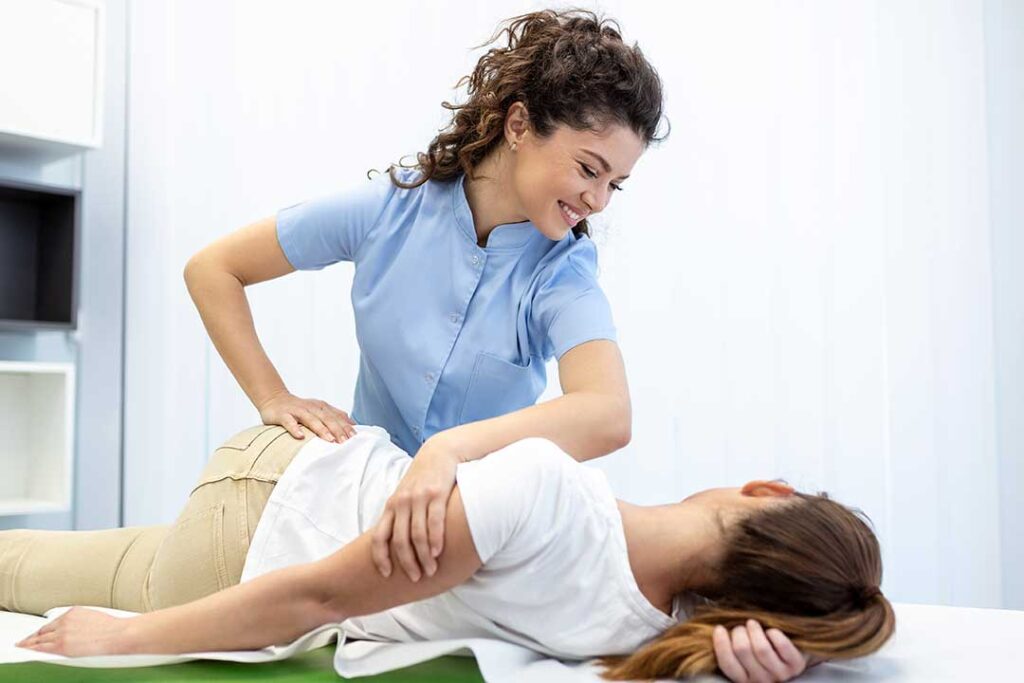
What Is Mobility and Why Does It Matter for Daily Life?
Mobility refers to how easily you can move your joints and muscles through their full range of motion. For many residents of Lockport, everyday activities like climbing stairs, gardening, walking on uneven sidewalks, or shoveling snow depend on good mobility. Limited movement can lead to discomfort, poor balance, and even increased risk of falls, especially during the region’s icy winters.
Joint stiffness and muscle tightness are common concerns here, particularly as the seasons change. Lockport’s climate, with cold winters and damp springs, may contribute to tension and joint aches for some people. Supporting healthy movement is about more than just keeping active—it helps maintain independence and quality of life at any age.
Which Home Habits Support Better Mobility?
Simple daily habits can have a lasting impact on joint and muscle flexibility. Regular activity is crucial for maintaining mobility, especially for those with primarily sedentary lifestyles.
Consider the following approaches:
- Gentle stretching in the morning or before bed helps reduce overnight stiffness. Focus on major areas like the neck, shoulders, hips, and ankles.
- Short walks, even inside your home, boost blood flow and keep muscles engaged. Weather in Lockport can limit outdoor time, so indoor movement is especially helpful during colder months.
- Proper hydration is sometimes overlooked. Joint tissues need adequate fluids to work well, and Lockport’s indoor heating can cause dehydration in winter.
- Paying attention to posture while sitting—like aligning ears over shoulders and supporting lower back—can help prevent joint strain, whether working from home or relaxing.
How Can Residents Safely Stretch and Move?
Starting with basic, gentle stretches is safest. Never push through sharp pain. Residents can explore simple routines:
- Neck rotations and shoulder shrugs improve upper body flexibility.
- Gentle spinal twists, seated or standing, help loosen the back.
- Hip flexor and calf stretches target areas tight from sitting or standing for long periods.
- Ankle circles and toe raises support lower-leg joint mobility.
Locals with health conditions (such as arthritis or recent surgery) should get clearance from a healthcare provider before beginning new routines. Warming up the body with light movement—for example, a few minutes of walking indoors—reduces the risk of strains.
Do Weather and Seasonal Changes Affect Flexibility?
Many area households notice stiffer joints and increased aches during colder or damp periods. Colder temperatures can cause muscles to tense up, and barometric pressure changes may contribute to sensations of joint stiffness. While the exact science is still debated, it’s common for Lockport households to report needing a longer warm-up during winter or after periods of inactivity.
Wearing appropriate layers and keeping living spaces comfortably warm can limit the impact of cold weather on joints and muscles. Small space heaters and heated blankets, used safely, may offer comfort in drafty rooms common in older housing stock.
Are There Foods That Support Healthy Joints and Muscles?
Nutrition can influence joint and muscle health. Locally available sources of helpful nutrients include:
- Leafy greens such as spinach and kale, often featured at area farmers’ markets, provide antioxidants that may help manage inflammation.
- Fatty fish (like salmon), nuts, and seeds are good sources of omega-3 fatty acids, which can support joint comfort.
- Dairy, tofu, and certain vegetables are rich in calcium and vitamin D—important for bone strength, which supports overall mobility.
- Staying mindful of salt intake is wise, as high-sodium diets may contribute to fluid retention and stiffness.
Shopping at local markets or joining a community-supported agriculture (CSA) program encourages variety and access to fresh foods, which can make a difference for long-term joint function.
What Role Does Physical Activity Play in Ongoing Mobility?
Movement is medicine for the body. Physical activities tailored to individual comfort levels enhance flexibility and muscle strength. Options for local residents include:
- Walking on local trails or in area parks when weather permits.
- Home-based routines like yoga, tai chi, or chair exercises.
- Light resistance exercises with household items (such as cans or water bottles) to build muscle support around joints.
Alternating movement types—mixing walking with gentle stretches—helps prevent overuse and supports different muscle groups. Maintaining consistency is more important than intensity; even five-minute bouts, several times per day, add up.
Common Misconceptions About Improving Mobility
Mobility does not depend on age alone—people of all ages can experience stiffness if they’re inactive for extended periods. Another myth is that stretching hard or longer yields more improvement. In truth, gentle, consistent movement brings better and safer results.
Additionally, some area residents assume mobility problems are an unavoidable “part of getting older.” While age increases risk, regular movement and healthy habits significantly slow the process and can often improve joint function at any stage.
How Can Lockport Residents Adapt Movement for Injuries or Chronic Conditions?
Common conditions like arthritis, old injuries, or back pain do not rule out mobility improvements—adaptation is key. Using supportive shoes on icy sidewalks, adjusting exercise routines for comfort, and incorporating balance drills all help. Resting during flare-ups is wise, but staying gently mobile between episodes keeps stiffness from becoming permanent.
If symptoms worsen, involve numbness, or severely limit daily activities, it’s worth discussing with a healthcare provider to ensure safety and develop an appropriate plan.
What Environmental or Everyday Factors in Lockport Affect Mobility?
The local environment presents unique challenges. Winter conditions, slippery sidewalks, and older homes with stairs or narrow hallways can restrict movement for those with limited flexibility. Planning ahead—shoveling walkways, using assistive devices for stairs, or choosing safe walking routes—helps reduce the risk of accidents and encourages confidence in staying active year-round.
