

How Are Balance Problems Connected to Spinal Alignment?
Balance issues and spinal alignment have a closer relationship than many area households realize. The spine plays a central role in keeping the body's posture steady. When the spine is misaligned, it can disrupt communication between the brain, nerves, and muscles—all key components for reliable balance. Even small shifts may affect stability, especially for older adults or those with other health concerns.
What Happens in the Body When the Spine Is Misaligned?
When the spinal column isn’t in proper alignment, nerves branching out to different parts of the body may become irritated or compressed. This can affect:
- The signals that help maintain posture and spatial orientation
- Muscle function required for precise movement
- Sensory cues from the joints that help with balance
Certain parts of the spine, especially the cervical (neck) region, are especially important. If nerves in these areas become pinched, residents may notice unsteadiness, a spinning sensation (vertigo), or sluggish movement.
Why Might Balance Worsen With Local Climate or Household Patterns?
Lockport’s colder months and icy sidewalks make balance a practical concern. For those with spinal misalignments, winter conditions can increase fall risk:
- Snow and ice hide uneven walking surfaces, heightening the effects of even minor balance challenges.
- Carrying groceries or shoveling puts extra strain on the back and core muscles, which can be problematic if spinal alignment is already off.
- Aging residents, who are more vulnerable to both spinal wear and balance issues, may find these factors combine during local winters.
Can Everyday Habits in Lockport Affect Both Spine and Balance?
Yes—daily patterns common in the community can influence this relationship:
- Extended periods of sitting (especially during winter) may worsen posture and spinal health, contributing to stability problems.
- Lifting heavy objects like firewood, or performing yard work, can increase risk of back strain or misalignment if done improperly.
- Wearing boots or shoes without adequate support, which is common during snow and rain, can change gait and add strain to the legs and lower back.
What Are Signs That Balance Problems Might Be Linked to Spinal Health?
While not every episode of dizziness or instability is spinal-related, these signs may indicate a connection:
- Unexplained unsteadiness when changing positions (e.g., standing up quickly)
- Frequent tilting or swaying while walking, especially when tired
- Localized pain, stiffness, or reduced mobility in the back or neck coinciding with balance issues
- Feeling “off balance” even when vision and the inner ear are healthy
Misalignment can be subtle and develop over time, so it’s possible not to notice until normal daily activities—like walking down stairs or carrying laundry—become more difficult.
Are There Common Misconceptions About Spinal Alignment and Balance?
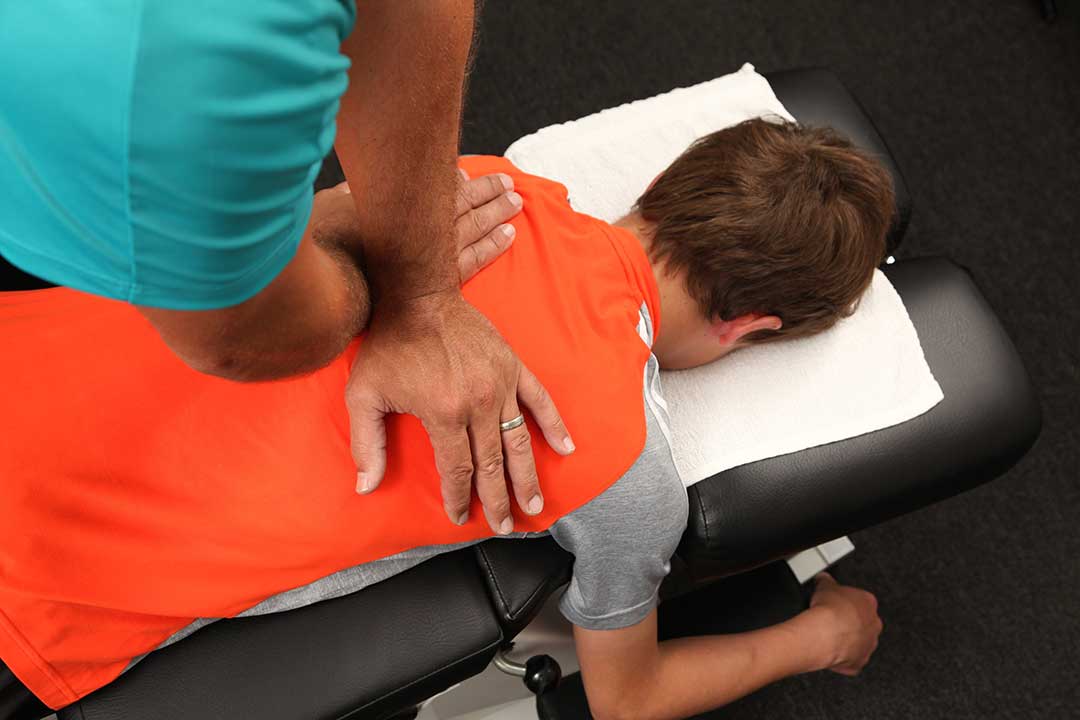
Many believe that balance is only affected by the inner ear or vision. In reality, spinal health plays a supporting role in how the brain processes balance cues. Another misconception is that only severe back pain points to a problem; mild misalignments can also interfere with stability, especially for those who already deal with conditions like arthritis.
What Practical Steps Can Households Take?
Residents can take several practical actions to support spinal health and reduce balance challenges:
- Maintain good posture, especially when working at a desk or screen
- Use supportive footwear with non-slip soles during icy months
- Incorporate gentle activities like walking or stretching to keep core and back muscles strong
- Avoid lifting heavy items alone—use safe techniques and, if necessary, seek assistance
- Make small adjustments at home, such as installing handrails on stairs and keeping walkways clear of clutter
- Schedule periodic reviews of medications, as some can affect balance (especially when combined with mobility changes)
When Should Residents Seek Further Evaluation?
While many balance problems can be managed at home, some situations require further attention:
- Sudden onset of severe balance problems, dizziness, or coordination loss
- Falls, especially with injury or in older adults
- Ongoing back or neck pain with increasing balance concerns
- Neurological symptoms such as numbness, tingling, or muscle weakness
In these cases, a licensed medical provider can help determine whether spinal health is a factor and recommend appropriate care strategies.
By staying informed about the link between spinal alignment and balance, local residents can feel better equipped to navigate everyday life and seasonal challenges.
