

How can chiropractic care help with pain?
For residents of Lockport, NY, chiropractic care may be one part of a broader plan for managing certain types of muscle, joint, and spine-related pain. Its most familiar treatment, spinal manipulation, uses a controlled hand or instrument-assisted force to move a spinal joint. Other approaches may include gentle mobilization, soft-tissue techniques, movement guidance, and exercises.
The goal is usually not to “put a bone back in place.” A more accurate description is that treatment may temporarily reduce pain, improve movement, and help a person return to ordinary activities. Evidence is strongest for some forms of low-back pain, while results vary depending on the cause, duration, and severity of symptoms.
Spinal manipulation is considered one of several nondrug options for acute and chronic low-back pain. Research generally finds small to modest improvements in pain and function rather than a guaranteed or permanent cure. ([nccih.nih.gov](https://www.nccih.nih.gov/health/low-back-pain-and-complementary-health-approaches-what-you-need-to-know?utm_source=openai))
What types of pain may respond?
Chiropractic care is most commonly considered for musculoskeletal pain, including:
- Nonspecific low-back pain
- Neck stiffness or pain
- Some headache patterns related to neck tension
- Joint discomfort involving the back or extremities
- Pain or restricted movement after minor strains, provided more serious injury has been ruled out
“Musculoskeletal” means pain involving muscles, joints, ligaments, tendons, or related movement structures. It does not automatically include pain caused by infection, cancer, fractures, progressive nerve disease, or internal-organ problems.
For acute low-back pain—pain lasting roughly six weeks or less—spinal manipulation may produce modest short-term improvement. For chronic low-back pain, it may offer small improvements in pain or daily function, particularly when combined with active strategies such as exercise and self-management. ([nccih.nih.gov](https://www.nccih.nih.gov/health/low-back-pain-and-complementary-health-approaches-what-you-need-to-know?utm_source=openai))
Neck pain requires additional care because the neck contains important nerves and blood vessels. Gentle mobilization or exercise-based treatment may be appropriate for some people, but forceful neck manipulation is not suitable for everyone. The potential benefits and risks should be considered individually. ([nccih.nih.gov](https://www.nccih.nih.gov/health/spinal-manipulation-what-you-need-to-know?6df6a1c6_page=3&85de4c3e_page=2&utm_source=openai))
Is chiropractic care a replacement for medical treatment?
Usually, no. Pain management works best when the treatment matches the underlying problem. Chiropractic care may be useful for mechanical or movement-related pain, but it does not replace evaluation for symptoms suggesting a fracture, infection, cancer, significant nerve compression, or a systemic illness.
A careful assessment should consider:
- How the pain began and whether there was a fall, collision, or other injury
- Whether pain travels into an arm or leg
- Numbness, tingling, weakness, or loss of coordination
- Fever, unexplained weight loss, or unusual fatigue
- Previous surgery, osteoporosis, inflammatory disease, or cancer
- Current medications, including blood thinners
In the wider pain-management system, nonmedication approaches such as exercise therapy, heat, physical therapy, psychological support, and manual therapy may be used alongside medication when appropriate. The CDC identifies nonopioid and nonpharmacologic treatments as important options for many common types of back, neck, and musculoskeletal pain. ([cdc.gov](https://cdc.gov/mmwr/volumes/71/rr/rr7103a1.htm?utm_source=openai))
What happens during a typical evaluation?
A responsible evaluation begins with questions about the pain rather than immediate treatment. The practitioner may ask about work, recreation, sleep, lifting, driving, household tasks, and changes in activity.
A physical assessment may include observation of posture and movement, range-of-motion testing, muscle strength, reflexes, sensation, and selected orthopedic tests. Imaging is not automatically needed for ordinary low-back pain. It is more likely to be considered when there has been significant trauma, persistent or worsening neurological symptoms, or signs of a more serious condition.
Treatment may involve a combination of methods rather than manipulation alone. Examples include:
- Gentle joint mobilization
- Spinal manipulation when appropriate
- Soft-tissue work
- Stretching and strengthening exercises
- Advice about pacing, lifting, sitting, and sleep positions
- A gradual return to normal activity
For many back problems, progress is measured by improved walking, standing, sleeping, bending, or household activity—not only by whether pain reaches zero.
What are the risks and limitations?
Temporary soreness, stiffness, headache, or increased discomfort can occur after spinal manipulation and often improve within a day. Serious complications are rare, but reported adverse events include significant spinal or neurological problems. People with relevant health conditions may have greater risk, making a complete health history essential. ([nccih.nih.gov](https://www.nccih.nih.gov/health/spinal-manipulation-what-you-need-to-know?6df6a1c6_page=3&85de4c3e_page=2&utm_source=openai))
Neck manipulation deserves particular caution. Rare neck-artery injuries have been reported, and the research remains complicated because similar artery problems can occur spontaneously or after ordinary movements such as sports, whiplash, forceful coughing, or vomiting. Anyone considering neck treatment should understand that uncertainty and discuss alternatives when appropriate. ([nccih.nih.gov](https://www.nccih.nih.gov/health/spinal-manipulation-what-you-need-to-know?6df6a1c6_page=3&85de4c3e_page=2&utm_source=openai))
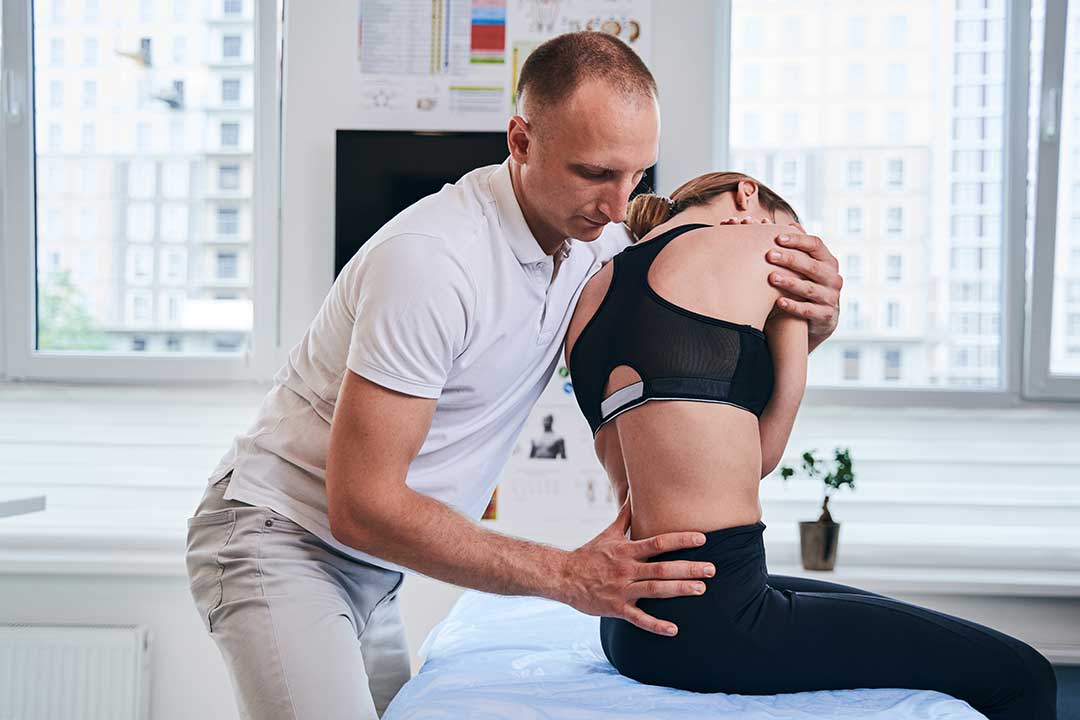
Chiropractic care also has practical limitations. It may not help every person, and improvement may be temporary if contributing factors—such as poor conditioning, repetitive lifting, prolonged sitting, disrupted sleep, or fear of movement—are not addressed. A treatment plan that encourages safe activity and self-management is generally more useful than passive treatment alone.
When should pain be evaluated urgently?
Certain symptoms should not be managed as routine back or neck pain. Immediate medical evaluation is warranted for:
- New loss of bladder or bowel control
- Numbness around the groin or inner thighs
- Rapidly worsening weakness in an arm or leg
- Severe pain after a major fall, collision, or other trauma
- Fever with severe spine pain
- New neurological symptoms with severe headache, dizziness, trouble speaking, or vision changes
- Unexplained weight loss or a history of cancer with new spine pain
These signs can indicate a condition requiring urgent medical testing or hospital care. Manipulation should not delay that evaluation.
How does local life affect pain?
Seasonal conditions can influence how people in Lockport manage movement. Winter cold, icy walking surfaces, snow removal, and time spent indoors may increase stiffness or contribute to slips and strains. Older housing can also involve stairs, uneven flooring, awkward storage areas, or manual heating and maintenance tasks that place repeated demands on the back and shoulders.
Practical prevention includes using a shovel that fits the body, pushing snow when possible instead of lifting it, taking brief movement breaks during indoor work, and avoiding sudden increases in activity after being inactive. These steps do not eliminate injury risk, but they can reduce avoidable strain.
What questions should a patient ask?
Before beginning care, useful questions include:
- What is the likely cause of the pain?
- What findings make this treatment appropriate?
- Are there non-manipulation options?
- What improvement should be expected, and over what time?
- What symptoms would require medical evaluation?
- How will exercise or activity be included?
- What happens if symptoms do not improve?
The most balanced view is that chiropractic care can be a reasonable option for selected musculoskeletal problems, particularly some forms of low-back pain. Its role is usually to support pain relief and function—not to replace diagnosis, exercise, medical care, or urgent evaluation when warning signs are present.
